Adamax: Advanced Peptide for Cognitive and Neurological Research
Adamax is a synthetic peptide researched for its neuroprotective and cognitive-enhancing properties. Explore its potential in neurological health, memory, and brain function research.
Adamax is a synthetic peptide researched for its neuroprotective, cognitive-enhancing, and neurotrophic properties. As a peptide compound designed to support brain health, Adamax is studied in the context of memory enhancement, neuroprotection, and cognitive function optimization.
Mechanism of Action
Adamax is researched for several neurological mechanisms:
1. Neurotrophic Effects: May support neuron growth, survival, and maintenance 2. BDNF Expression: Research suggests potential upregulation of brain-derived neurotrophic factor (BDNF) — a protein critical for neuron health, synaptic plasticity, and memory 3. Neuroprotection: Protects neurons from oxidative stress and excitotoxicity 4. Synaptic Plasticity: May enhance synaptic connections and neuroplasticity 5. Cognitive Enhancement: Research into memory, learning, and cognitive performance
Research Context
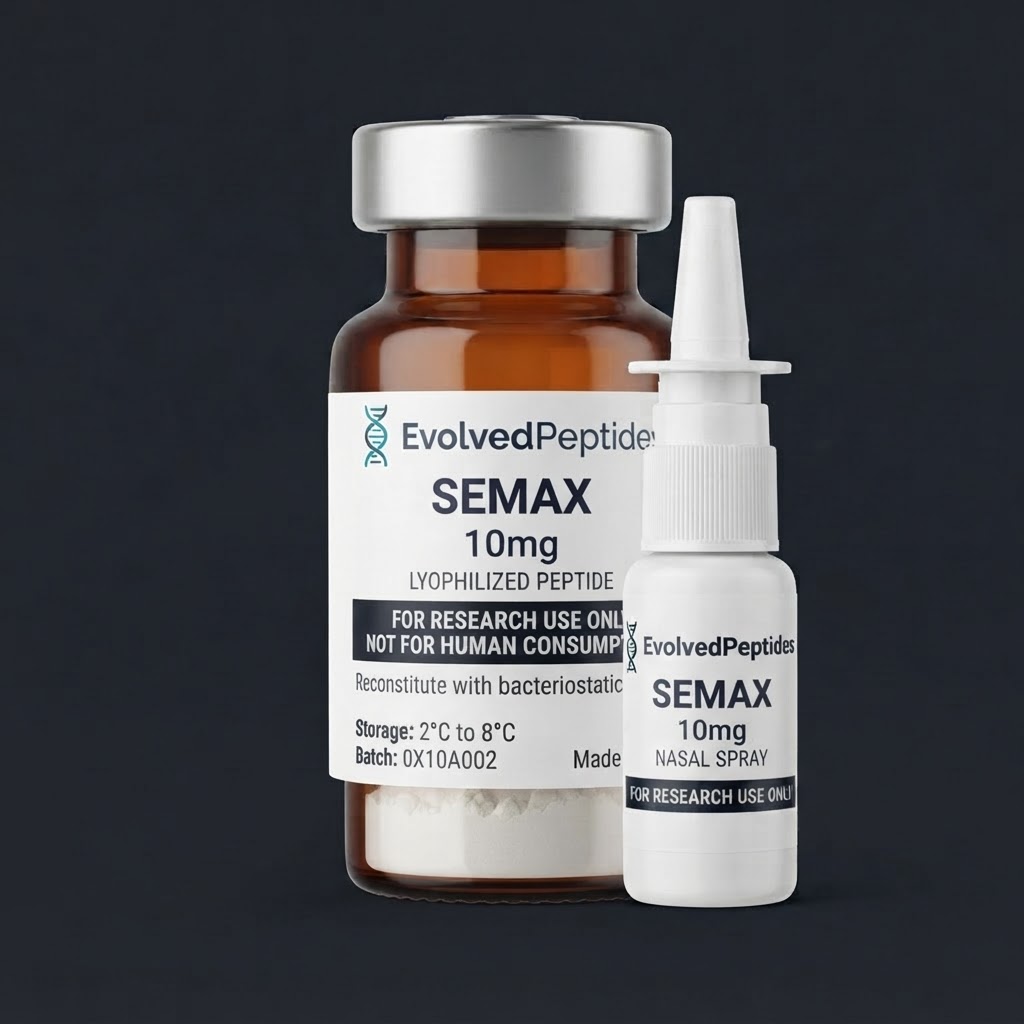
Adamax falls within the category of nootropic and neurotrophic peptides — compounds designed to support brain health and cognitive function. Related peptides in this research category include: - Semax (adrenocorticotropic hormone analog) - Selank (tuftsin analog) - Cerebrolysin (peptide preparation) - Dihexa (angiotensin IV analog)
These peptides are researched for their potential to: - Enhance cognitive performance - Protect against neurodegeneration - Support memory and learning - Modulate stress responses - Improve neurological outcomes
Pharmacokinetics
- Route: Subcutaneous injection or intranasal (research context) - Half-life: Peptide-dependent (varies by formulation) - Distribution: Crosses blood-brain barrier (designed for CNS activity) - Metabolism: Proteolytic degradation
Research Applications
1. Cognitive Enhancement Research - Memory improvement studies - Learning capacity research - Focus and attention enhancement - Cognitive performance optimization
2. Neuroprotection Research - Protection against neurodegeneration - Oxidative stress defense in neural tissue - Excitotoxicity prevention - Research in neurodegenerative condition models
3. Neurological Recovery Research - Recovery from brain injury - Stroke recovery models - Neuroinflammation reduction - Neural regeneration research
4. Stress and Mood Research - Stress response modulation - Anxiety research models - Mood regulation studies - HPA axis (stress pathway) modulation
5. Aging and Cognitive Decline Research - Age-related cognitive decline - Memory preservation in aging - Neuroplasticity in older brains - Research in cognitive aging models
Standard Research Protocols
- Dose: 250-500mcg (research context) - Route: Subcutaneous injection or intranasal - Frequency: Once daily - Duration: 2-4 week research cycles - Monitoring: Cognitive assessments, inflammatory markers, neurological markers
Safety Considerations in Research
Adamax is a relatively novel research peptide with a developing safety profile: - Generally well-tolerated in preliminary research - Peptide-based compounds typically have low toxicity - Research protocols monitor for neurological effects - Long-term safety data is limited (novel compound)
Quality Standards for Research
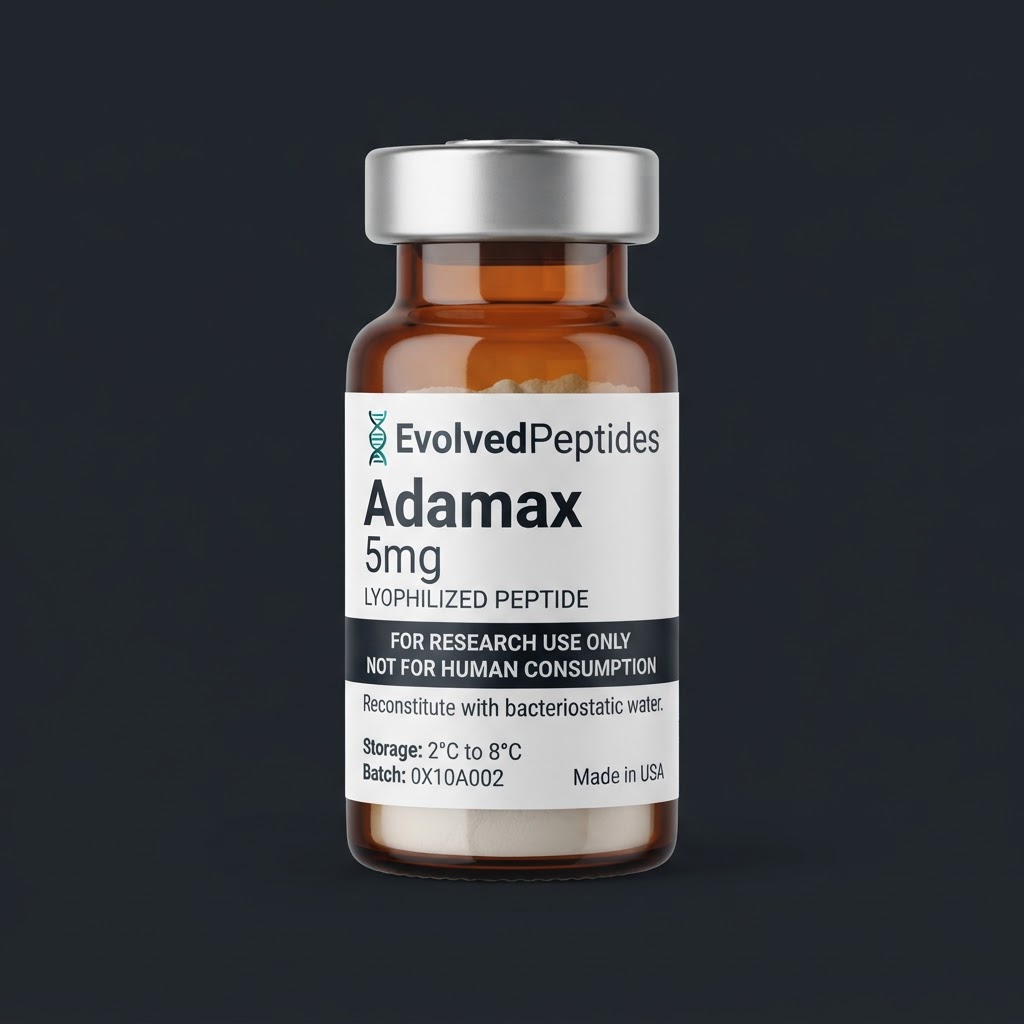
Research-grade Adamax should be sourced from suppliers providing: - HPLC purity verification (≥98%) - Certificate of Analysis with batch-specific data - Accurate dosing per vial (5mg) - Proper storage and handling documentation - Peptide-specific quality assurance
Storage and Handling
Store lyophilized peptide at -20°C, protected from light. Reconstitute with bacteriostatic water. Reconstituted solution should be refrigerated (2-8°C) and used within recommended timeframe. Handle with standard laboratory safety protocols.
*This article is for research and informational purposes only. Adamax is sold for laboratory research purposes only and is not intended for human consumption. Not evaluated by the FDA.*