GHK-Cu: The Copper Peptide Redefining Skin Research
GHK-Cu (copper peptide) is one of the most extensively studied peptides in dermatological research. Discover how it may stimulate collagen, reduce inflammation, and reverse skin aging markers.
GHK-Cu (glycyl-L-histidyl-L-lysine copper complex) is a naturally occurring tripeptide-copper complex first identified in human plasma in 1973. It is found throughout the body — in plasma, urine, saliva, and at sites of tissue injury. Blood levels of GHK-Cu are approximately 200 ng/mL at age 20 but fall to around 80 ng/mL by age 60 — a 60% age-related decline that has made it a central focus of anti-aging and regenerative skin research.
Structure and Copper Binding
GHK (the peptide) binds copper(II) to form the active GHK-Cu complex. The copper component is critical — it's not merely incidental. Copper is an essential cofactor for enzymes involved in: - Collagen and elastin cross-linking (lysyl oxidase) - Antioxidant defense (superoxide dismutase) - Melanin synthesis - Angiogenesis
The peptide-copper complex is more bioavailable and less cytotoxic than free ionic copper.
Gene Expression — The Most Remarkable Finding
Dr. Loren Pickart's research (and subsequent confirmations) revealed that GHK-Cu influences the expression of over 4,000 human genes — upregulating approximately 2,000 and downregulating approximately 2,000 others.
The pattern of gene changes induced by GHK-Cu closely mirrors the gene expression profile of a younger person compared to an older one. Specifically: - Upregulated: Genes for collagen synthesis, DNA repair, antioxidant defense, anti-inflammatory pathways, mitochondrial function - Downregulated: Genes associated with inflammation (NF-kB pathway), cancer progression, oxidative stress
This broad gene regulatory activity is unique among peptide research compounds and explains why GHK-Cu has effects across so many tissue types.
Collagen and Structural Protein Research
The most extensively documented effect of GHK-Cu is on collagen synthesis:
- Stimulates production of collagen types I, III, and VII - Increases elastin production in dermal fibroblasts - Upregulates decorin (a proteoglycan that organizes collagen fibers) - Activates MMP (matrix metalloproteinase) enzymes to remove damaged collagen - Simultaneously stimulates new collagen deposition — a remodeling effect
The net result in skin research is measurable increases in skin thickness, firmness, and elasticity — confirmed in multiple controlled human studies using topical GHK-Cu formulations.
Wound Healing Research
GHK-Cu has demonstrated accelerated wound healing in numerous preclinical and clinical studies: - Faster closure of acute wounds - Reduced scarring (through balanced collagen remodeling) - Improved healing in chronic wounds resistant to conventional treatment - Enhanced angiogenesis at wound sites
Anti-Aging Skin Findings
Controlled human studies with topical GHK-Cu formulations have documented: - Increased skin thickness (dermal layer) - Reduced fine lines and wrinkles - Improved skin firmness and elasticity - Enhanced skin clarity and reduced hyperpigmentation in some subjects - Reduced transepidermal water loss (improved barrier function)
Systemic vs. Topical Research
GHK-Cu is studied via two routes:
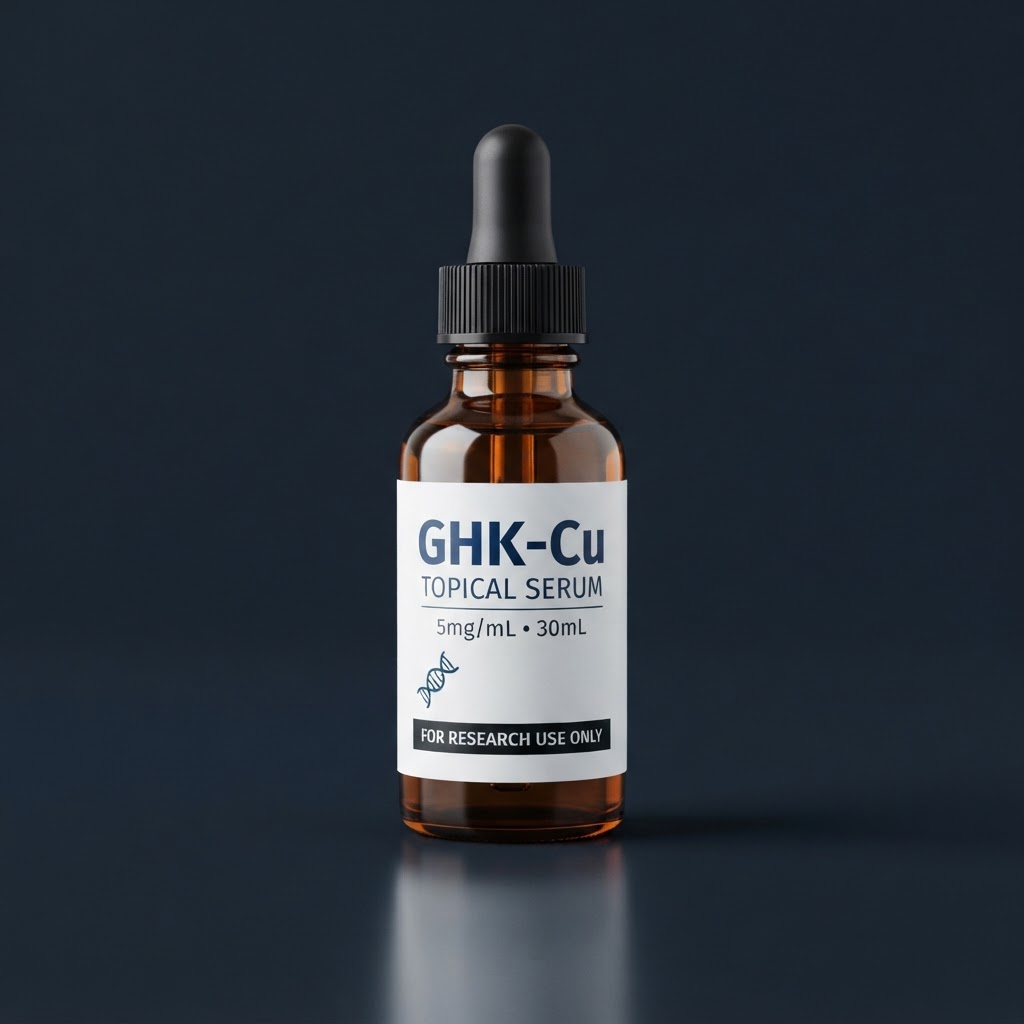
Topical: - Effective concentrations in research: 0.1–1% - Direct delivery to dermal fibroblasts through penetration enhancers - Measurable improvements in skin quality in controlled trials - Commercial skin care already incorporates it based on this research
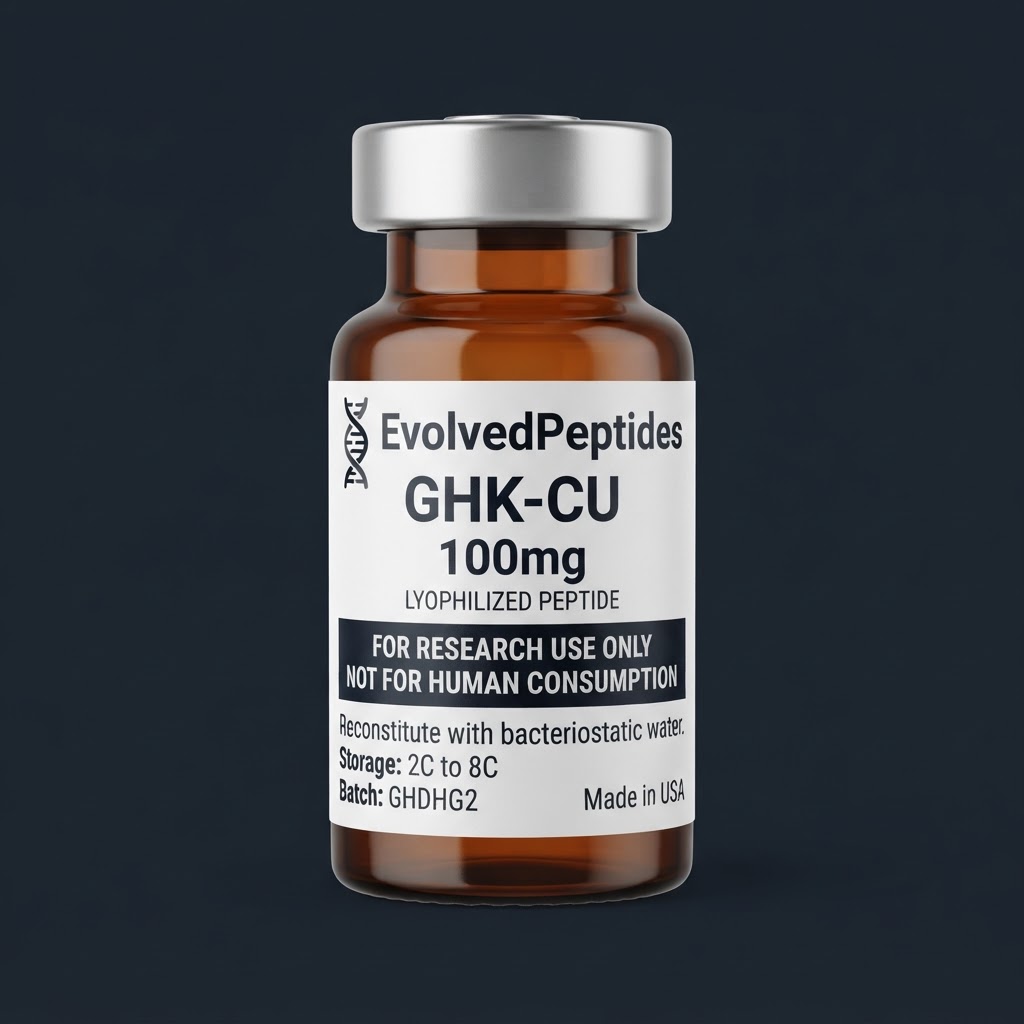
Systemic (Subcutaneous): - Higher dose exposure; systemic distribution - Studied for wound healing, lung health, and anti-inflammatory effects beyond the skin - In the Glow70 blend, GHK-Cu is at 50mg — the highest dose component — for comprehensive systemic effect
Hair Research
An active area of investigation involves GHK-Cu's effects on hair follicles: - Shown to increase follicle size in research models - Stimulates keratinocyte proliferation - May promote hair shaft elongation - Some research suggests reduced hair loss through anti-inflammatory action at follicle level
Neurological and Lung Research
Beyond skin, GHK-Cu is being investigated for: - Neurogenesis and neuroprotection (BDNF upregulation in some models) - Lung tissue repair — research in COPD models shows regenerative potential - Anti-tumor properties — downregulates genes involved in cancer progression
Research Protocol Summary
- Topical: 0.1–1% concentration in carrier cream/serum; daily use studied - Subcutaneous: 1–2mg/day; commonly used in the context of the Glow70 blend at 50mg vials - Often combined with BPC-157 and TB-500 for comprehensive regenerative protocols
*This article is for research and informational purposes only.*