Glow70: Why BPC-157, GHK-Cu & TB-500 Work Best Together
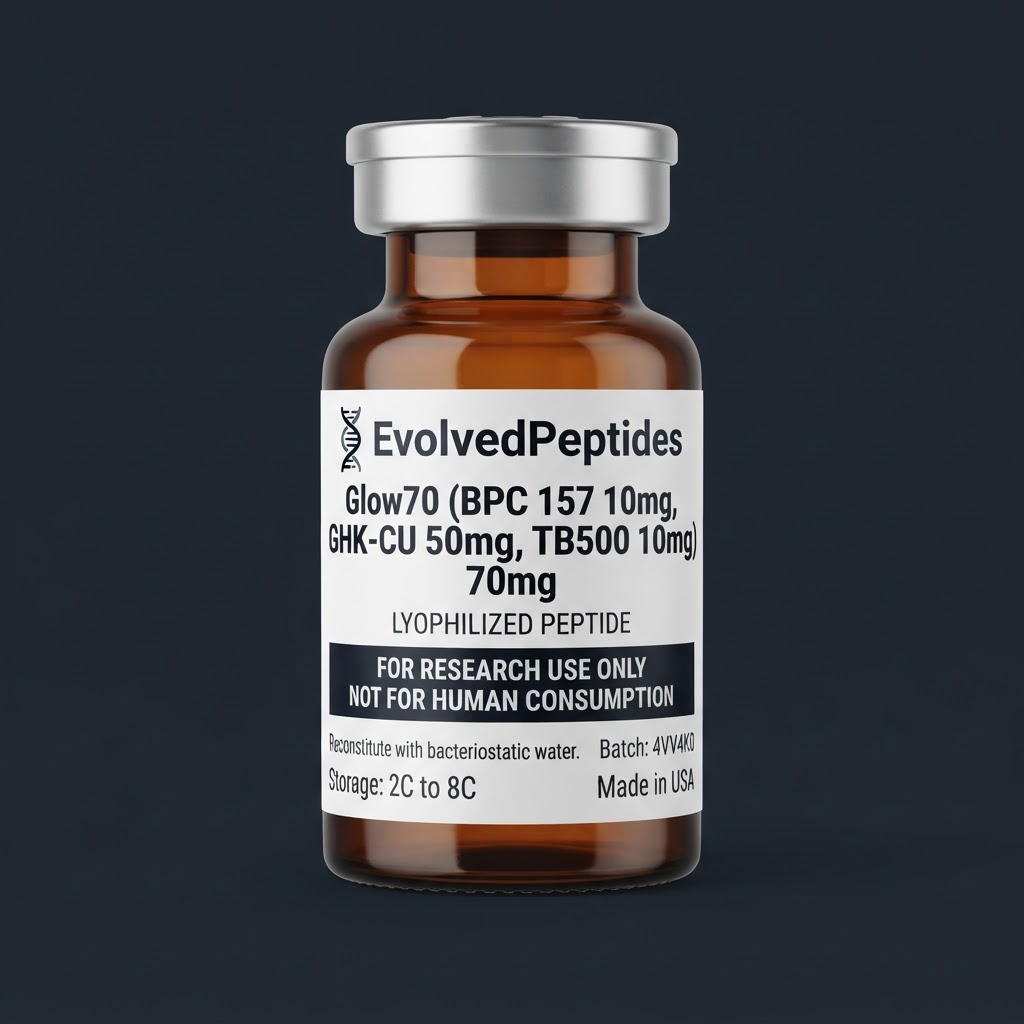
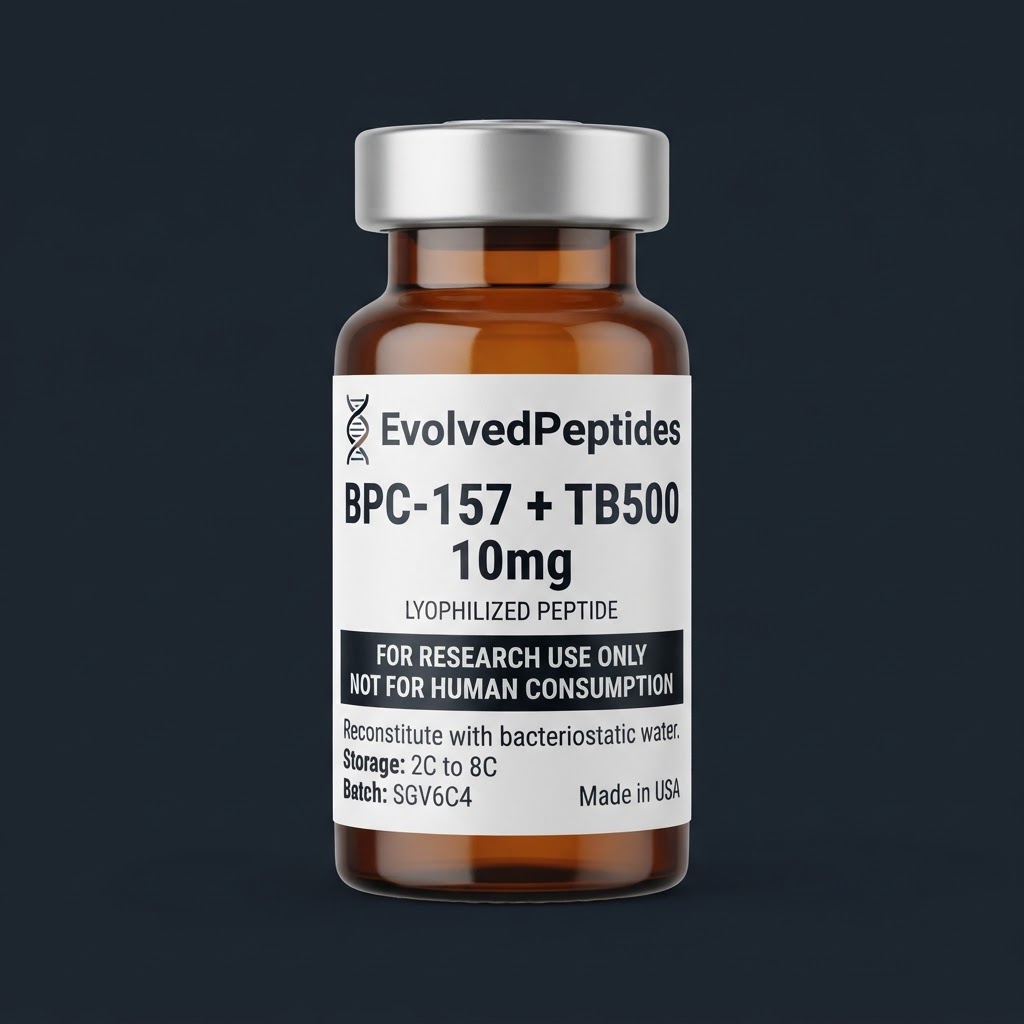
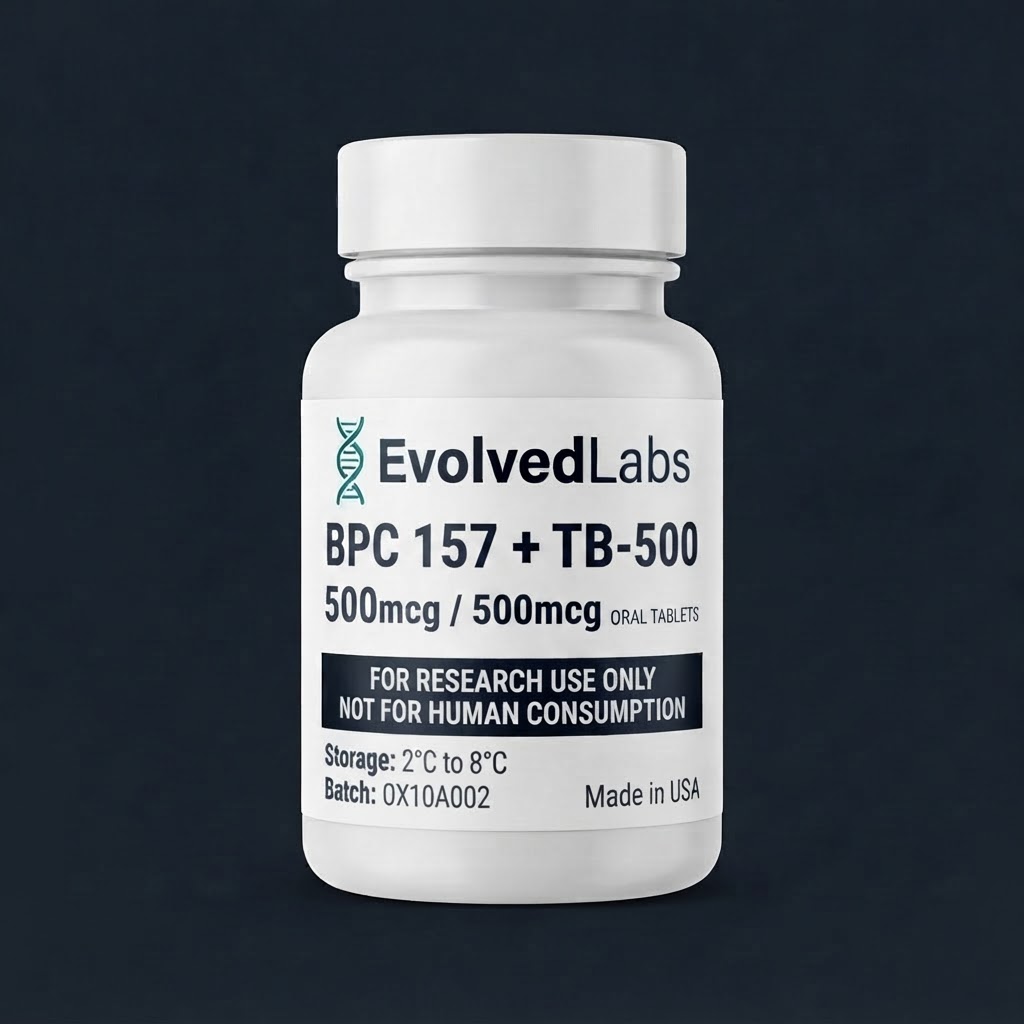
The Glow70 stack combines three of the most studied regenerative peptides — BPC-157, GHK-Cu, and TB-500 — into one synergistic protocol for skin health and deep tissue recovery.
The Glow70 blend was designed around a fundamental insight in regenerative research: the most meaningful healing outcomes occur when multiple complementary biological pathways are activated simultaneously. No single peptide can address all dimensions of skin aging and tissue repair — but BPC-157, GHK-Cu, and TB-500 together cover virtually the entire landscape.
The Problem with Single-Peptide Approaches
Skin aging and tissue damage involve cascading failures across multiple systems: - Declining collagen production (GHK-Cu target) - Reduced vascularization (BPC-157 target) - Impaired cell migration (TB-500 target) - Chronic low-grade inflammation (all three address this) - Aging gene expression profiles (GHK-Cu target) - Scar formation and disorganized repair (TB-500 target)
Using only one peptide addresses one or two of these — Glow70 was formulated to address all of them.
Component 1: BPC-157 (10mg)
BPC-157 (Body Protection Compound) is a 15-amino acid sequence derived from gastric juice proteins. In the Glow70 context, it provides:
Angiogenesis — The Foundation of Healing: New blood vessel formation is the rate-limiting step in tissue repair. Without adequate blood supply, healing tissue cannot receive oxygen, nutrients, or immune cells fast enough. BPC-157 upregulates VEGF (vascular endothelial growth factor), directly driving angiogenesis at repair sites.
Fibroblast Activation: Fibroblasts are the skin's collagen-producing cells. BPC-157 activates FAK (focal adhesion kinase) pathways in fibroblasts, accelerating their migration to wound sites and increasing collagen synthesis output.
Nitric Oxide Pathway: BPC-157 upregulates eNOS (endothelial nitric oxide synthase), increasing local nitric oxide. NO improves blood flow, reduces inflammation, and creates a tissue environment conducive to repair.
Systemic Effects: Unlike TB-500 and GHK-Cu, BPC-157 also affects the gut-brain axis and the nervous system — making it relevant for recovery scenarios with systemic inflammation.
Component 2: GHK-Cu (50mg)
GHK-Cu is present at the highest dose in Glow70 (50mg vs. 10mg for the others) — reflecting its central role as the primary skin rejuvenation agent.
Gene Expression Reset: GHK-Cu influences over 4,000 human genes — upregulating those associated with collagen production, DNA repair, and tissue remodeling while downregulating aging-associated inflammatory genes. This is a fundamental biological "reset" of the skin's age-related gene expression profile.
Collagen Architecture: GHK-Cu doesn't just increase collagen quantity — it improves quality. By activating matrix metalloproteinases (MMPs), it removes damaged, disorganized collagen and simultaneously stimulates replacement with properly organized new collagen. The result is both greater skin thickness and improved structural integrity.
Elastin and Dermatan Sulfate: Beyond collagen, GHK-Cu stimulates elastin (skin recoil/bounce) and dermatan sulfate (a proteoglycan that organizes extracellular matrix structure) — creating a more complete structural improvement.
Antioxidant Environment: GHK-Cu is a potent superoxide scavenger and induces superoxide dismutase — reducing oxidative damage that accelerates skin aging at the cellular level.
Component 3: TB-500 (10mg)
TB-500 (Thymosin Beta-4 analogue) provides the cell migration and systemic tissue repair capabilities that complete the Glow70 protocol.
Actin Regulation and Cell Migration: By binding G-actin, TB-500 frees cells to migrate rapidly into injured or aging tissue. This is critical for wound healing — slow cell migration is a primary reason why older skin heals more poorly than younger skin.
Scar Reduction: Disorganized, excessive collagen deposition (scarring) is a repair failure. TB-500 promotes organized tissue remodeling, reducing the tendency toward hypertrophic scar formation — particularly relevant for post-procedure skin recovery.
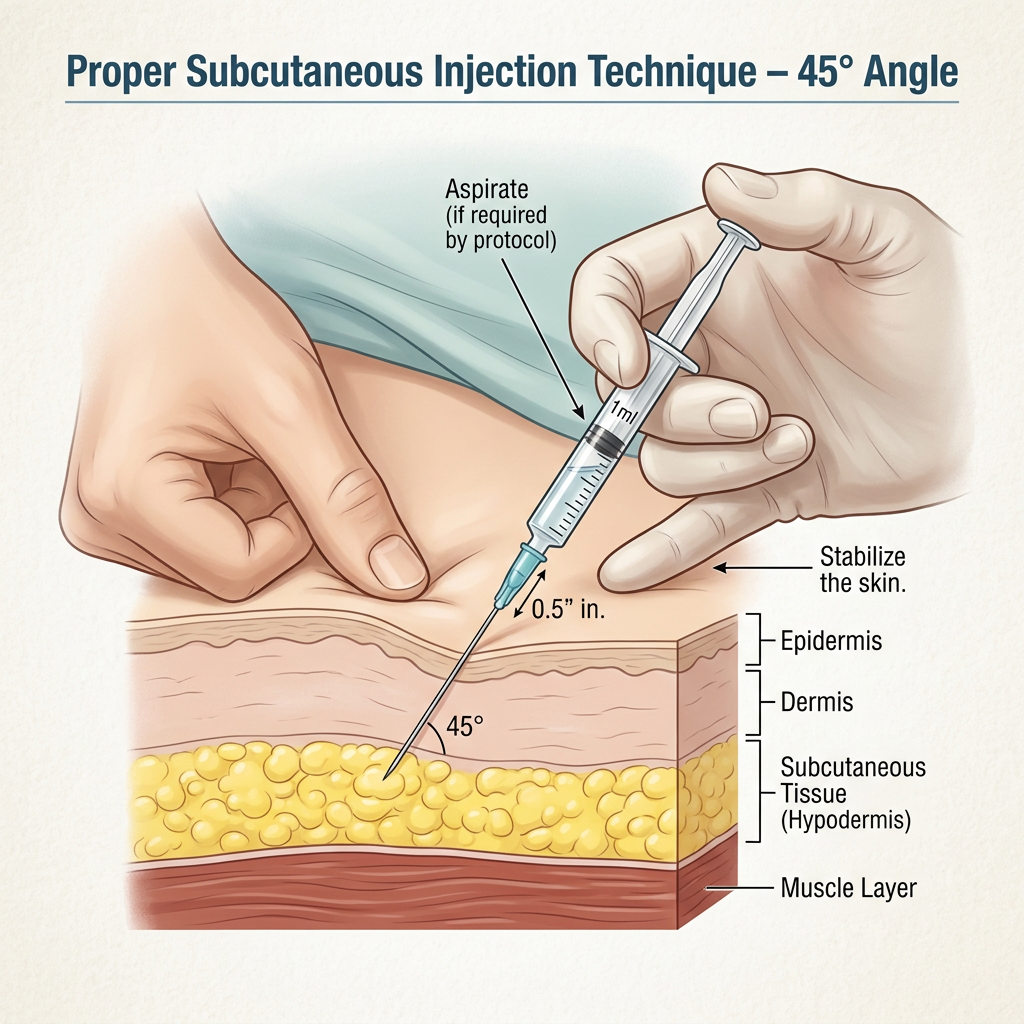
Systemic Distribution: Unlike topical treatments, TB-500 distributes systemically via subcutaneous administration. This allows it to support healing throughout the body simultaneously — not just at a localized injection site.
Anti-Inflammatory Scope: TB-500's anti-inflammatory activity through NF-kB pathway modulation complements BPC-157's NO-mediated anti-inflammation and GHK-Cu's gene-level anti-inflammatory effects — creating a three-pronged approach to controlling the chronic inflammation that underlies both skin aging and impaired healing.
The Synergy Model
The three peptides target different phases and mechanisms of the repair and rejuvenation process:
| Phase | Primary Compound | Mechanism | |---|---|---| | Cell migration | TB-500 | Actin modulation | | Vascularization | BPC-157 | VEGF/eNOS upregulation | | Collagen synthesis | GHK-Cu + BPC-157 | Fibroblast activation, gene expression | | Inflammation control | All three | Multiple pathways | | Gene expression reset | GHK-Cu | >4,000 gene modulations | | Scar prevention | TB-500 | Organized matrix deposition |
Research Applications
Post-Procedure Skin Recovery: After laser resurfacing, microneedling, chemical peels, or surgical procedures, the skin needs to rapidly progress through inflammation, proliferation, and remodeling phases. Glow70 supports all three phases simultaneously — potentially accelerating recovery timelines meaningfully.
Anti-Aging Protocols: For ongoing skin rejuvenation without a specific procedure: - GHK-Cu resets gene expression - BPC-157 maintains vascularization - TB-500 supports cellular renewal turnover
Injury Recovery: While the focus is skin, all three compounds have well-documented effects on connective tissue, tendons, and joints — making Glow70 also relevant for athletes or individuals with chronic tissue injury.
Research Protocol
- Reconstitute each component separately per standard protocol - BPC-157 (10mg vial): Typically 250–500mcg daily, subcutaneous - GHK-Cu (50mg vial): 1–2mg daily, subcutaneous - TB-500 (10mg vial): Loading phase 5mg/week; maintenance 2.5mg/week - Cycle typically 8–12 weeks with a 4-week break
*This article is for research and informational purposes only.*