The Best Peptides for Women: Research Overview
Women's health research with peptides has been historically underrepresented. Here's a science-backed breakdown of the compounds most relevant to women's unique physiology.
Peptide research has historically been conducted predominantly in male subjects, with female physiology often treated as an afterthought. This is beginning to change as researchers recognize that hormonal cycles, body composition differences, and female-specific conditions create a distinct research landscape that deserves targeted attention.
This guide covers the most relevant peptide compounds for female physiology — organized by research application — based on current literature.
The Female Physiology Context
Before reviewing specific compounds, it's important to understand the key differences that influence peptide research in female subjects:
Hormonal Cycling: Estrogen and progesterone fluctuations across the menstrual cycle affect receptor sensitivity, inflammation responses, body fat distribution, and metabolic rate. Research timing relative to cycle phase can significantly affect observed outcomes.
Body Composition: Women naturally carry a higher body fat percentage and distribute fat differently (subcutaneous vs. visceral). Women have less lean mass relative to body weight. GH secretion patterns differ — women secrete GH in more frequent but smaller pulses.
Specific Conditions: Female subjects present unique research contexts: PCOS (polycystic ovarian syndrome), endometriosis, perimenopause/menopause, HSDD (hypoactive sexual desire disorder), and skin aging driven by estrogen decline.
Bone Density: Women lose bone density at a significantly faster rate post-menopause than men. Compounds affecting IGF-1, GH, or bone metabolism are particularly relevant.
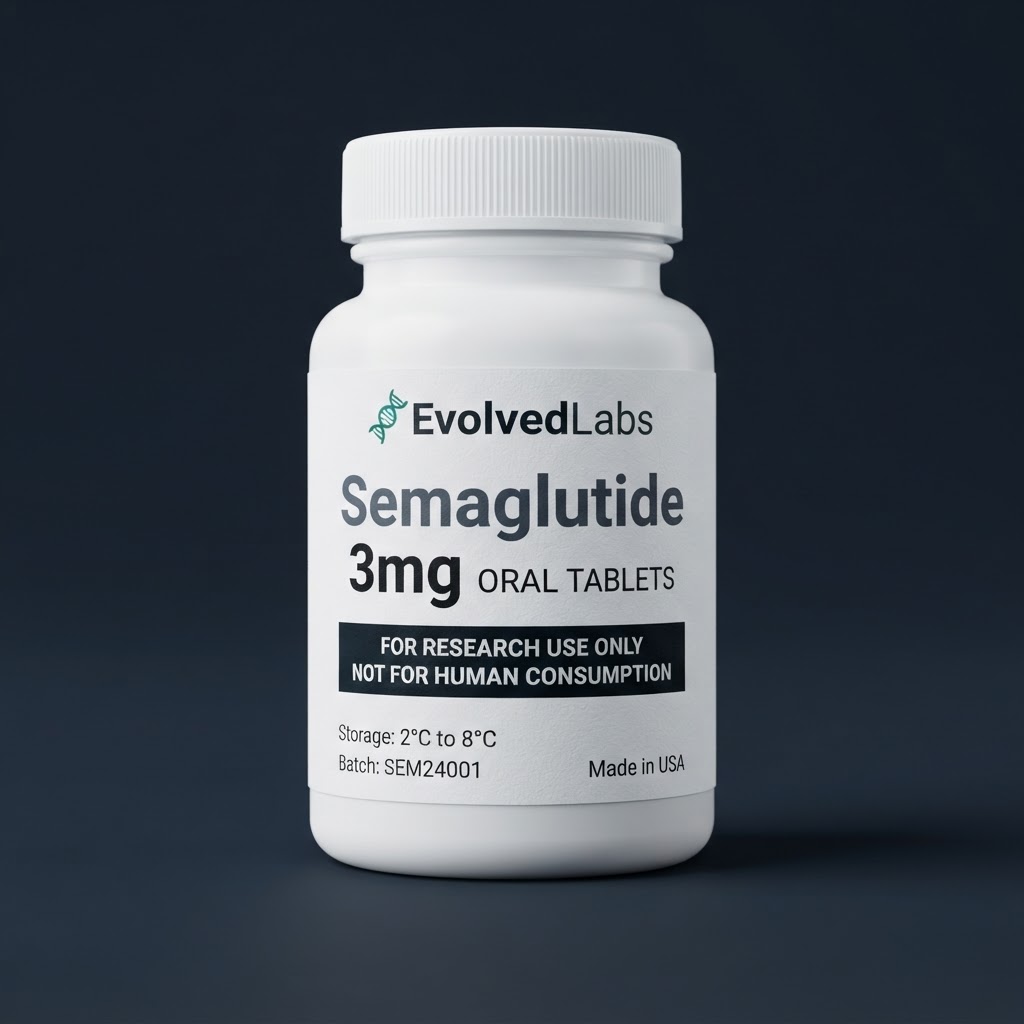
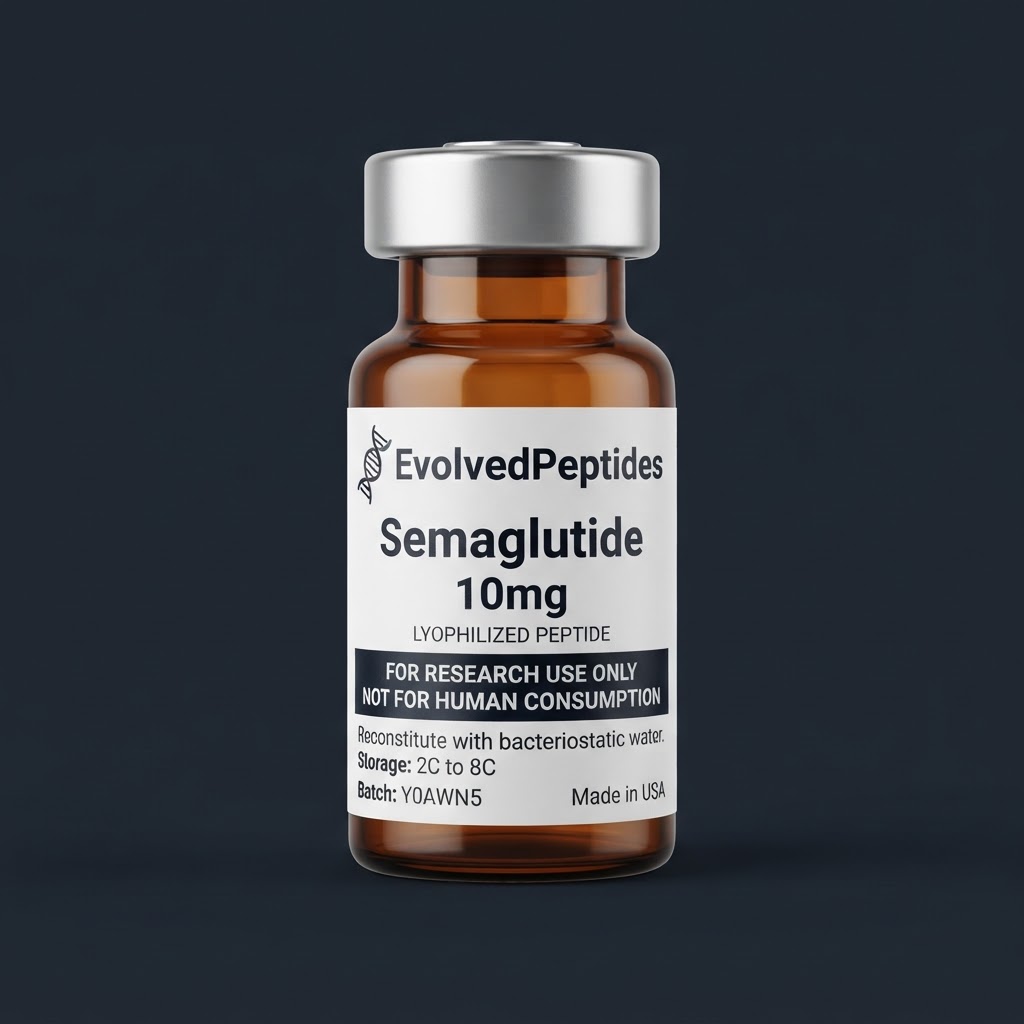
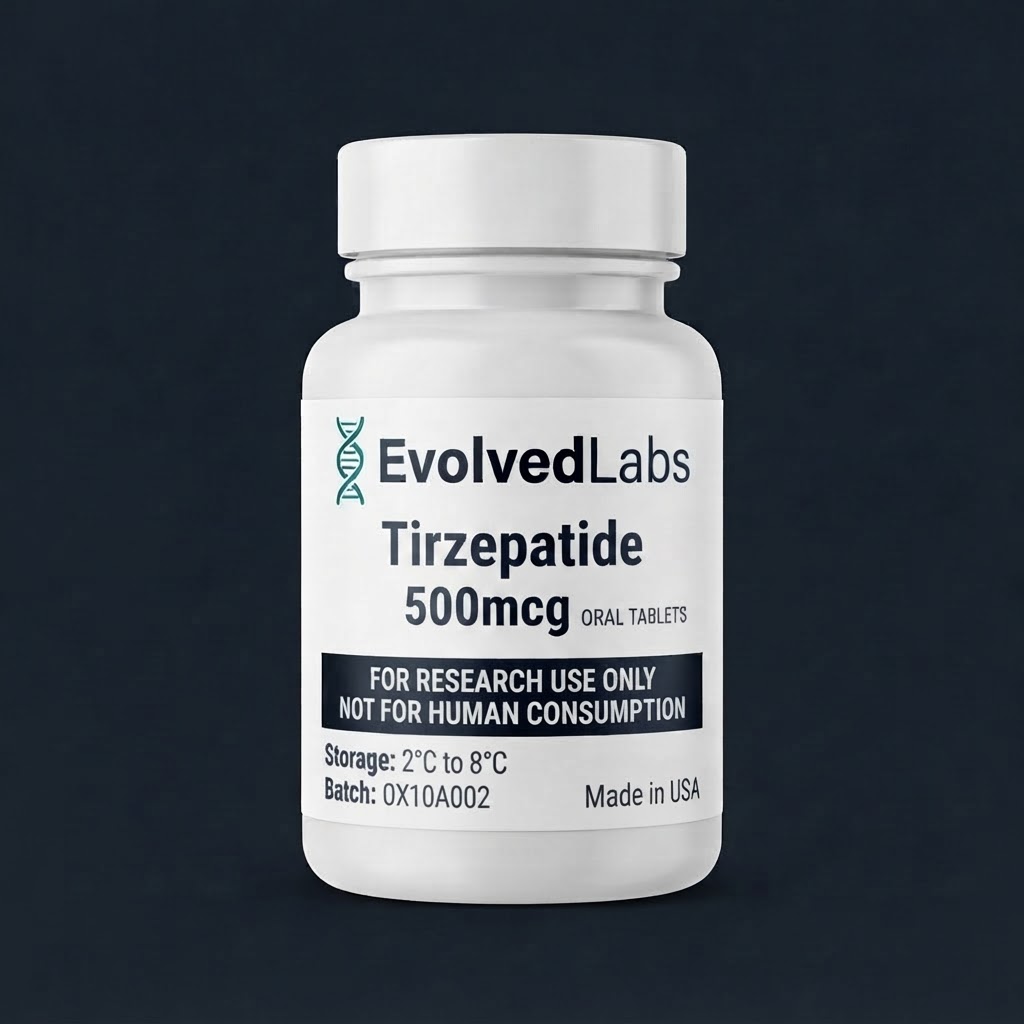
1. Semaglutide / Tirzepatide — Metabolic Health
GLP-1 and dual GLP-1/GIP agonists have been studied extensively in both male and female subjects. Key sex-specific findings:
- Women tend to lose weight slightly faster initially on GLP-1 agonists - Nausea is reported more frequently in female research subjects - PCOS-related insulin resistance may respond particularly well to GLP-1 agonism (insulin sensitization mechanism) - Women with hormonal weight gain patterns (perimenopause, post-menopause) represent a population where metabolic peptides have significant research interest
Tirzepatide's dual GLP-1/GIP mechanism is of particular interest in female metabolic research — GIP receptors are found in ovarian tissue, and GIP's effects on adipose tissue metabolism are relevant to female fat distribution patterns.
Research protocol considerations for female subjects: - Titration timing relative to menstrual cycle (some researchers avoid initiation in luteal phase) - Monitoring for nausea (more common; slower titration may improve adherence) - Protein intake critical during caloric restriction to offset lean mass effects
2. GHK-Cu — Skin Rejuvenation and Collagen
Estrogen is the primary driver of skin collagen maintenance in women. Estrogen levels decline approximately 30% in the first 5 years of menopause, and with it: - 30% of skin collagen is lost in the first 5 years post-menopause - Dermal thickness decreases - Wound healing slows - Skin elasticity declines
GHK-Cu directly addresses these pathways through mechanisms independent of estrogen: - Stimulates collagen I, III, and VII synthesis in dermal fibroblasts - Activates elastin and decorin production - Resets gene expression toward youthful profiles - Antioxidant defense upregulation
For female researchers studying post-menopausal skin changes or estrogen-decline-related tissue aging, GHK-Cu is the most evidence-backed peptide in this category.
Research protocol: - Topical: 0.1–1% concentration in appropriate carrier; daily use - Systemic: 1–2mg/day subcutaneous - Often combined with BPC-157 and TB-500 (Glow70 stack) for comprehensive regenerative effect
3. PT-141 (Bremelanotide) — Sexual Health
PT-141 is the only peptide with an FDA-derived pharmaceutical application specifically for female sexual dysfunction. The FDA approved Vyleesi (bremelanotide) for hypoactive sexual desire disorder (HSDD) in premenopausal women — making PT-141 one of the most validated research peptides in female health.
HSDD is characterized by persistently low sexual desire that causes personal distress. It affects an estimated 10% of premenopausal women and a higher percentage post-menopause.
How PT-141 differs from all other sexual health compounds: - Acts centrally in the hypothalamus (not peripherally on vasculature) - Activates MC3R and MC4R — receptors that regulate sexual motivation and desire, not just physical arousal - Relevant to spontaneous desire, not just responsive arousal - Works regardless of relationship factors, hormonal levels, or vascular status
Research findings in female subjects: - Increased genital blood flow measured objectively - Improved sexual desire scores on validated scales - Improved satisfaction ratings in HSDD research subjects - Effects noted in both pre- and post-menopausal populations
Research protocol for female subjects: - Dose: 0.75–1.75mg subcutaneous (lower range often preferred for tolerability) - Timing: 45–60 minutes before research window - Nausea (most common side effect) reduced with lower dosing
4. BPC-157 — Hormonal System and Gut Health
BPC-157 has several applications particularly relevant to female physiology:
Gut health and inflammation: Women have higher rates of IBS, inflammatory bowel conditions, and autoimmune disorders affecting the gut. BPC-157's documented effects on gut barrier integrity, anti-inflammatory cytokine modulation, and intestinal healing are directly applicable.
Hormonal axis modulation: Research suggests BPC-157 may influence dopaminergic pathways involved in HPA axis regulation — relevant to stress-related hormonal disruption common in female subjects.
Endometriosis and pelvic inflammation: While direct endometriosis research in BPC-157 is limited, its anti-inflammatory and tissue-healing properties suggest research interest in pelvic inflammatory conditions.
Tendon and ligament injury: Women have higher rates of certain ligament injuries (ACL) due to anatomical and hormonal factors. BPC-157's ligament repair research is relevant here.
5. CJC-1295 + Ipamorelin — Anti-Aging and Bone Density
Growth hormone decline (somatopause) begins earlier and may be more pronounced in women, particularly post-menopause. The GH-IGF-1 axis is critical for: - Bone density maintenance - Skin collagen synthesis - Lean mass preservation - Energy and recovery
CJC-1295 + Ipamorelin addresses somatopause by stimulating natural pulsatile GH release.
Female-specific benefits from elevated GH/IGF-1: - IGF-1 stimulates osteoblast activity — directly relevant to post-menopausal bone loss - GH drives collagen synthesis at the fibroblast level - Lean mass preservation during weight management protocols - Improved wound healing and skin quality
Research protocol considerations for female subjects: - GH secretion patterns differ in women; pre-sleep timing is particularly well-studied - Some research suggests estrogen sensitizes pituitary GH receptors — response may vary with cycle phase - IGF-1 monitoring recommended (as in all GH secretagogue protocols)
6. Sermorelin — Perimenopause and Vitality
Sermorelin's particularly physiological GH stimulation pattern makes it well-suited for anti-aging research in female subjects. Unlike CJC-1295 with DAC, Sermorelin produces a clean, pulsatile GH profile that doesn't suppress natural pituitary function.
Research interest areas in female subjects: - Quality of sleep (deep sleep decline is accelerated in perimenopausal women) - Energy levels and cognitive clarity - Skin quality through GH-driven collagen synthesis - Body composition maintenance
Building a Female-Focused Research Protocol
| Research Objective | Primary Compounds | Supporting Compounds | |---|---|---| | Metabolic health / weight | Tirzepatide or Semaglutide | CJC-1295 + Ipamorelin | | Skin rejuvenation (post-menopause) | GHK-Cu | BPC-157, TB-500 | | Sexual health (HSDD) | PT-141 | — | | Anti-aging / longevity | CJC-1295 + Ipamorelin | GHK-Cu, Sermorelin | | Recovery and inflammation | BPC-157 + TB-500 | GHK-Cu | | Bone density support | CJC-1295 + Ipamorelin | — |
*This article is for research and informational purposes only. All products are sold for laboratory research use only and are not intended for human consumption.*